
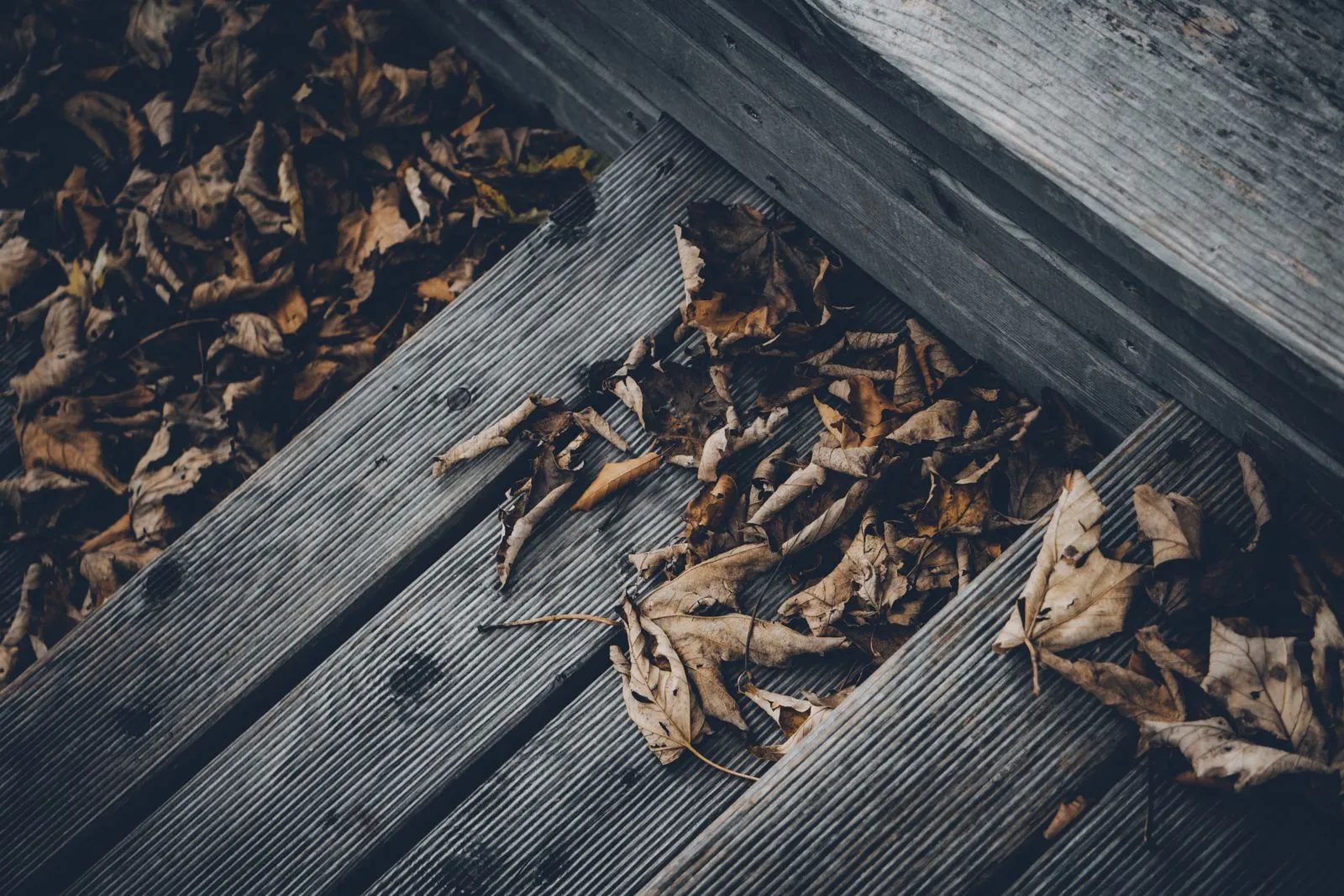
A deck in Atlanta needs to handle humidity, frequent rain, strong sun, and seasonal temperature swings. The right material can reduce routine upkeep, but low maintenance does not mean maintenance-free. Surface traction, heat underfoot, and resistance to moisture also matter—especially when the deck needs to be comfortable and accessible in different weather. Compare the main options by how they perform in daily use, then check product specifications and samples before choosing.
Composite: Less Routine Upkeep
Composite decking combines wood fibers and plastic, so it does not need the regular staining or sealing required by most wood. Sweep away leaves and rinse off dirt; clean food or mildew promptly with a cleaner approved by the manufacturer. Moisture and shade can still encourage surface growth, so good drainage and airflow beneath the deck remain important.
Traction and heat vary by product, color, texture, and condition. Ask for the manufacturer’s wet-traction information, and inspect a sample after wetting it. Darker boards can become hot in direct summer sun. For comfort, compare lighter colors and textured finishes, and consider where shade falls during the hours the deck gets the most use.
PVC: Strong Moisture Resistance
PVC decking is made from plastic rather than wood-plastic composite. It resists water absorption and does not require painting, staining, or sealing, making it a practical option where rain and humidity are concerns. It still needs periodic washing, and pollen, dirt, or mildew can collect on the surface if the deck stays damp or shaded.
Do not assume every PVC board offers the same grip or comfort. Review the specific product’s wet-surface guidance and test a sample underfoot. Some boards can heat up in direct sun, while surface texture and color affect both feel and appearance. Follow the maker’s installation instructions so board movement and drainage are properly managed.
Wood: Natural Feel, More Care
Wood has a familiar appearance and can feel comfortable underfoot, but its upkeep is more hands-on. Depending on the species and finish, plan to clean it and reapply stain or a protective coating as needed. Atlanta’s damp spells can contribute to mildew and decay, while sun exposure can fade or dry the surface. Inspect boards, fasteners, and railings regularly.
Wood’s traction changes with its finish and condition. A worn coating, algae, or debris can make boards slippery when wet, so keep the surface clean and repair damaged areas promptly. Pressure-treated lumber is commonly used outdoors, while naturally durable species may offer other trade-offs in cost and care. Confirm that the selected wood is suitable for exterior use and compatible with the intended finish.
Compare Beyond the Material
A low-maintenance surface performs best when the whole deck is designed for local conditions. Provide a clear path for rainwater to drain, leave ventilation space beneath the boards, and avoid details that trap leaves or standing water. These measures help limit dampness and make routine cleaning easier, whatever decking you choose.
For an accessible deck, consider more than the board material: transitions, ramp surfaces, handrails, and turning areas all affect safe use. Compare complete product details, including cleaning instructions, warranty terms, wet traction information, and heat guidance. Atlanta Access Decks can help homeowners weigh material choices alongside the deck’s layout and accessibility needs.
Composite and PVC can reduce routine finishing work, while wood offers a natural look that calls for more regular care. In Atlanta, compare wet traction, sun exposure, drainage, and cleaning requirements before deciding. Test samples in the conditions where the deck will be used, and consult a qualified builder to match the material to your comfort and accessibility needs.